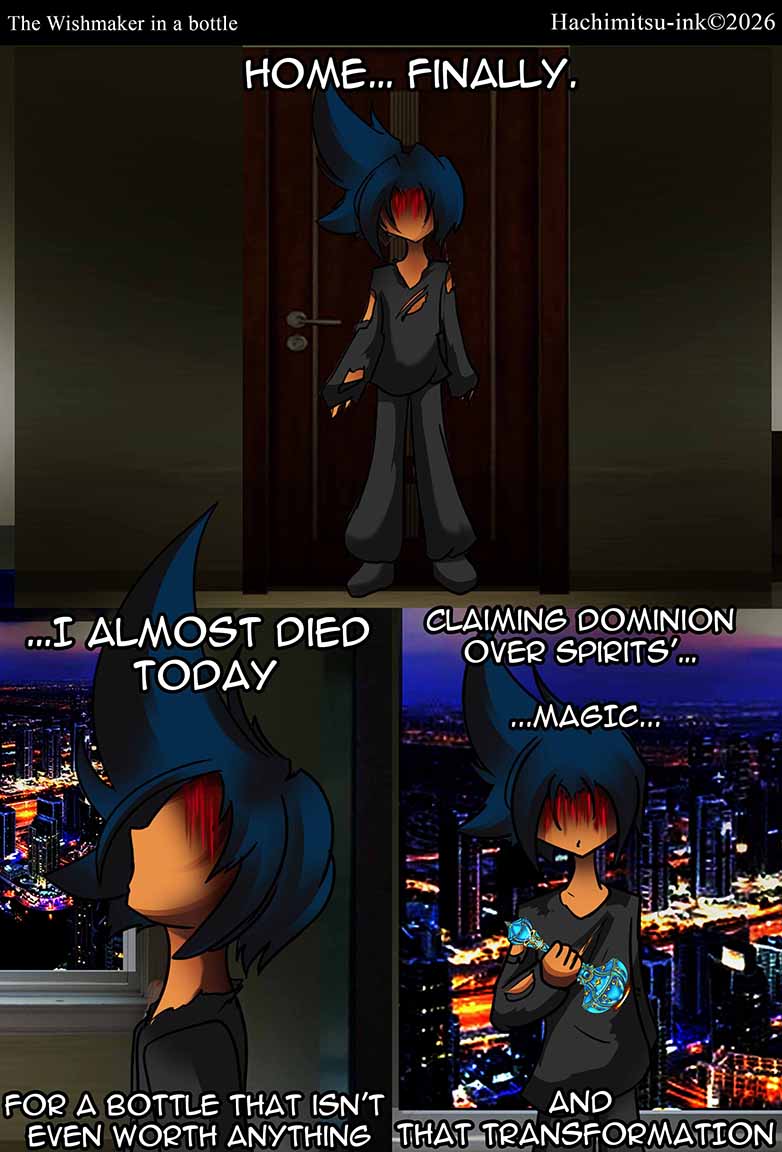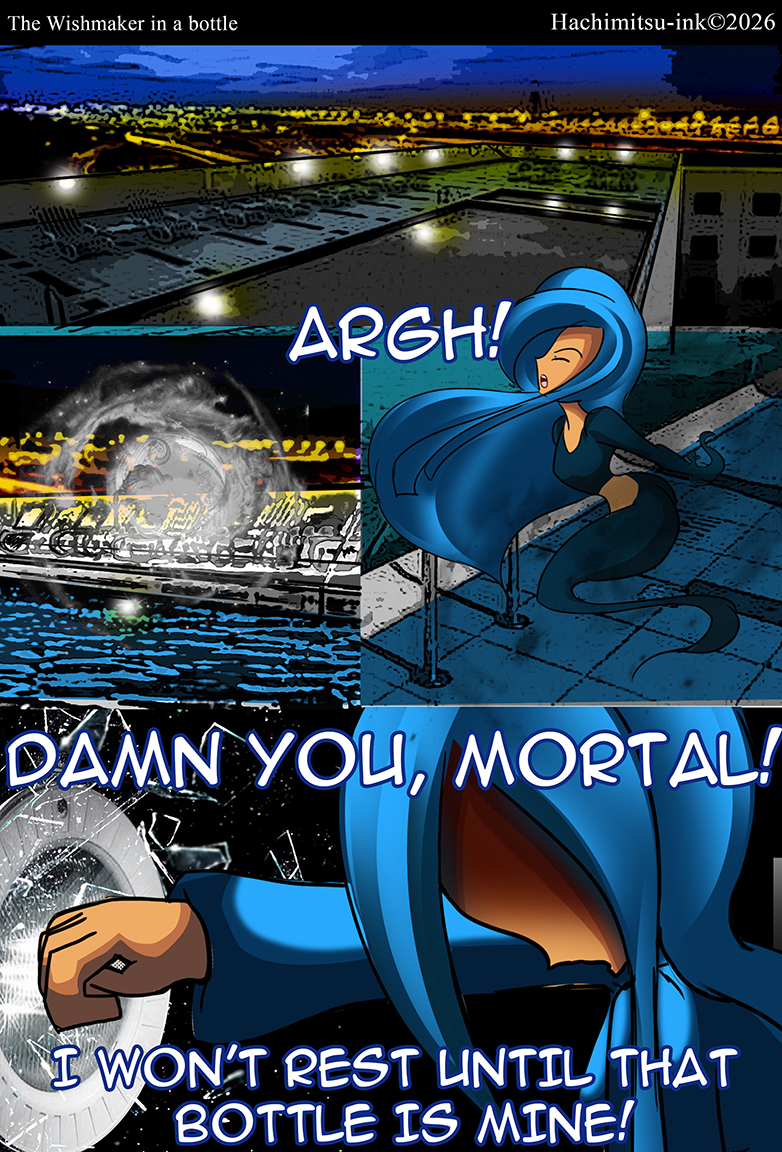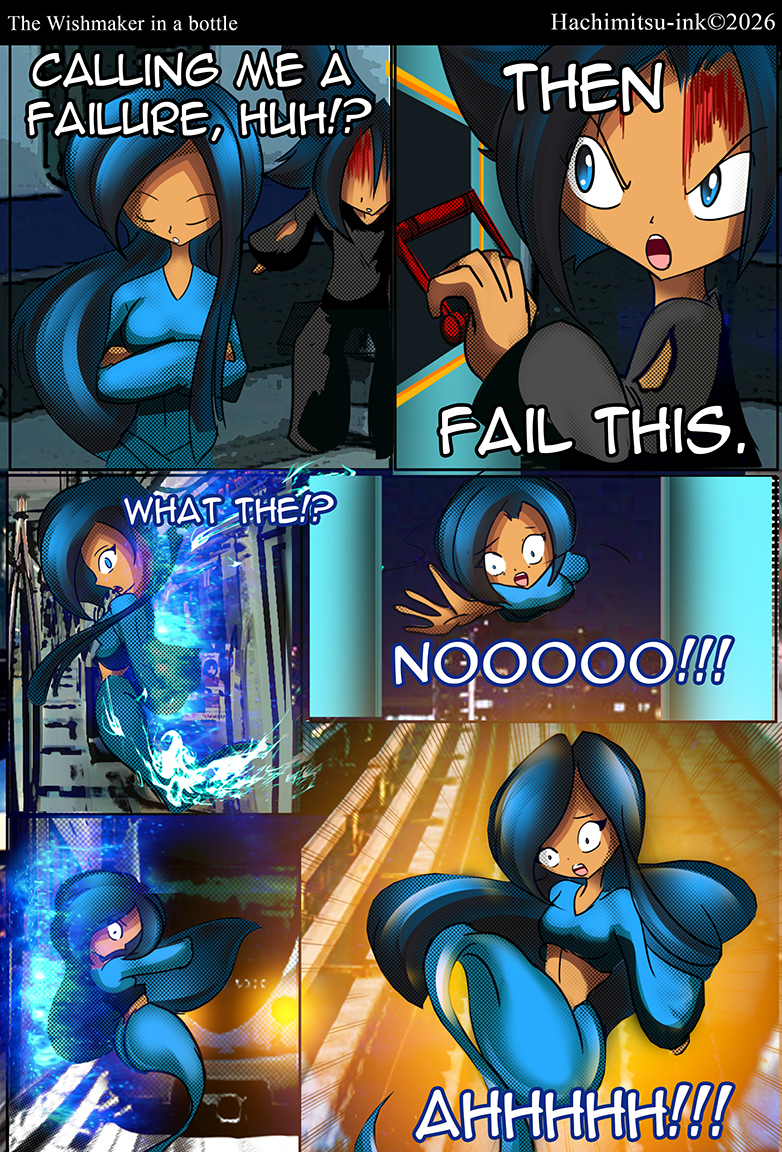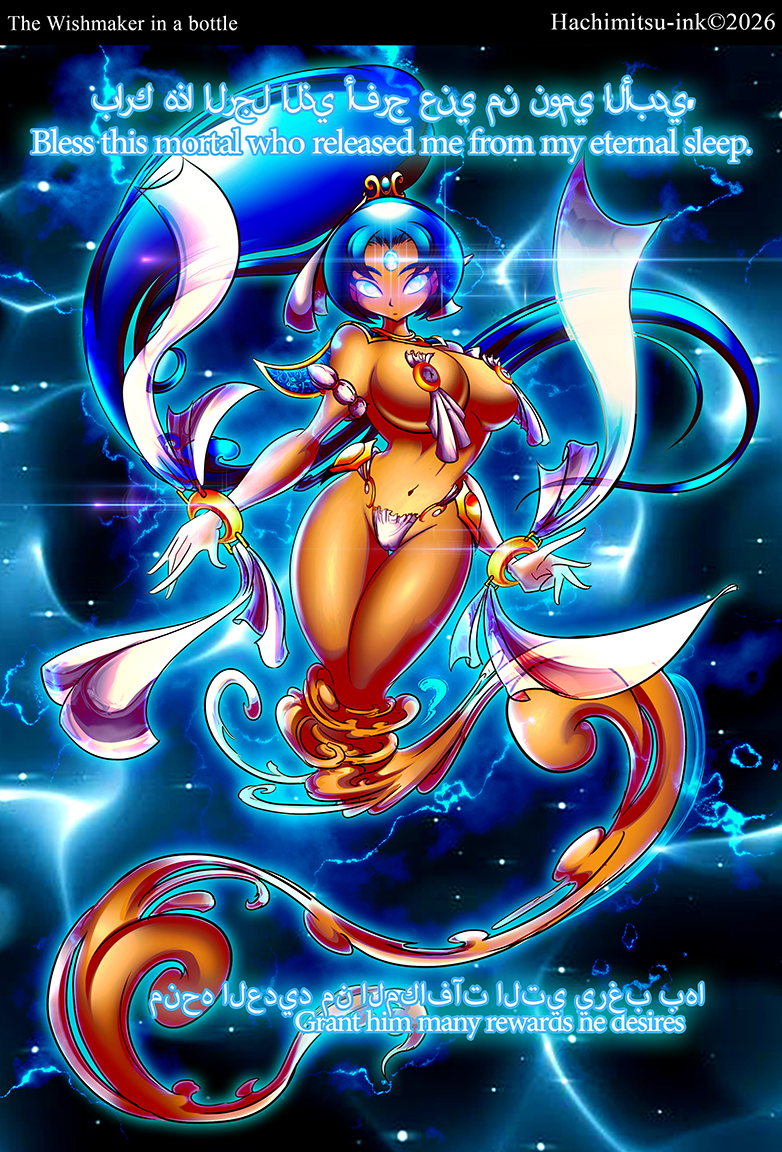
There were moments when I had to close my booth with barely any customers at all. It happens a lot during anime conventions, especially on Thursdays and Fridays. Strangely enough, I usually make better sales at swap meets than I do in the artist alley. I’ve made plenty of friends along the way… but there was also one time when I ended up making enemies too.
Author: hachimitsu.ink@gmail.com
This page is based on a true story. I once spent hours waiting for customers to stop by my little sales table, hoping someone would take interest in the things I made. Instead, I was ignored, criticized, and watched people walk away without a second glance. I even lowered my prices, thinking maybe that would help someone find something they liked. In the end, no one came. That’s when I realized the huge difference between selling at a big convention and a small high‑school event just starting out.
A showpiece item is the kind of piece that instantly catches a customer’s eye. I get all sorts of reactions when they ask about the price — surprise, curiosity, or sometimes a whole conversation about the craft behind it. Even when they end up choosing something within their budget, those moments remind me that I’m not alone in what I enjoy. It’s comforting to see people connect with the same things that make me smile.
There are plenty of things I can let go of for cheap—small pieces that others can enjoy without me feeling much loss. But then there are the items that feel different. The ones that carry memories, comfort, or a quiet kind of meaning. Letting go of those is never simple. I’ve had things that were once worth almost nothing, only to become priceless years later. Shantae was one of them. My Fantasy GK Studios Gardevoir was another. Watching their value rise wasn’t just surprising—it reminded me how close I came to losing something that meant far more to me than money ever could. Because selling something you care about isn’t just a transaction. It’s letting go of a moment, a feeling, a piece of yourself. Some items hold stories, effort, and emotion—and once they’re gone, you can’t always get them back.
I’ve always felt there’s a real difference between something handmade and something mass‑produced. Factory pieces might look clean and consistent, but you can usually feel how rushed and repetitive they are. Handcrafted items… those are different. You can see the time, the intention, the little imperfections that make them unique. Someone actually cared while making them. And to me, that kind of care gives an object a value that goes way beyond the price tag.
Vintage items have a strange kind of gravity. New things come and go — their prices rise, fall, shift with trends. But older pieces… they carry the weight of every hand that held them, every shelf they sat on, every year they survived. Sometimes a box is worn, sometimes it’s pristine, and that alone can change everything. A single crease can lower the value, while an untouched corner can send it soaring. There’s something bittersweet about that — how time can either wear something down or make it precious. How care, or the lack of it, leaves a mark you can’t undo.
When opening a business, the first thing I always end up dealing with is cleaning the workspace. It takes a lot of polish and effort, but it’s necessary — because if you skip it, the mess just grows. Tools get lost, paperwork disappears, and everything becomes harder to manage. I’ve had to do this plenty of times whenever I was preparing to sell my used items, so this part of the story comes from real experience selling my used anime goods.
The hardest part of owning a collection isn’t the dusting or the space it takes — it’s the moment you have to let something go. Every item I’ve kept has a memory attached to it, a little piece of joy or comfort I held onto during different moments of my life. Letting them go isn’t simple. It feels like saying goodbye to a part of myself. Sometimes you sell things because you have no choice — to keep the lights on, to pay for food, to save something bigger than the objects themselves. Other times, you sell because life pushes you into a corner you never wanted to stand in. But no matter the reason, it hurts. Especially when the person buying it is a stranger who doesn’t know the story behind it, or the effort it took to find it, or the happiness it once brought. I’ve always wished that if I had to part with something, it would go to someone who truly understands — someone who sees the value beyond the price tag, someone who cares. Because these aren’t just things. They’re memories. They’re pieces of love, effort, and time. Through this story, I want to share that feeling — the quiet ache of letting go, the hope that what we cherished finds a good home, and the reminder that sometimes the hardest goodbyes are the ones no one else sees.
My mother has always loved collecting wondrous things. Every item she brought home carried a story — something she rescued, something she cherished, something she believed deserved a second life. Some pieces were priceless, others were simple nostalgic treasures from a time when they were loved by many. I grew up with that same instinct. For me, collecting isn’t clutter — it’s a reward for hard work, a way of holding onto the moments that shaped me. There was even one item I chased for years. It disappeared, returned to the market, then slipped away again just when I finally had the chance to claim it. That loss still lingers with me. People sometimes look at families like mine and call it “hoarding,” or say we make a mess. Those words hurt, because they ignore the meaning behind what we keep. Every object has a memory attached. Every piece brought someone happiness. Through this story, I hope to show the beauty in that — the quiet reasons why we collect, the joy behind each item, and the love that goes into preserving the things that matter to us.
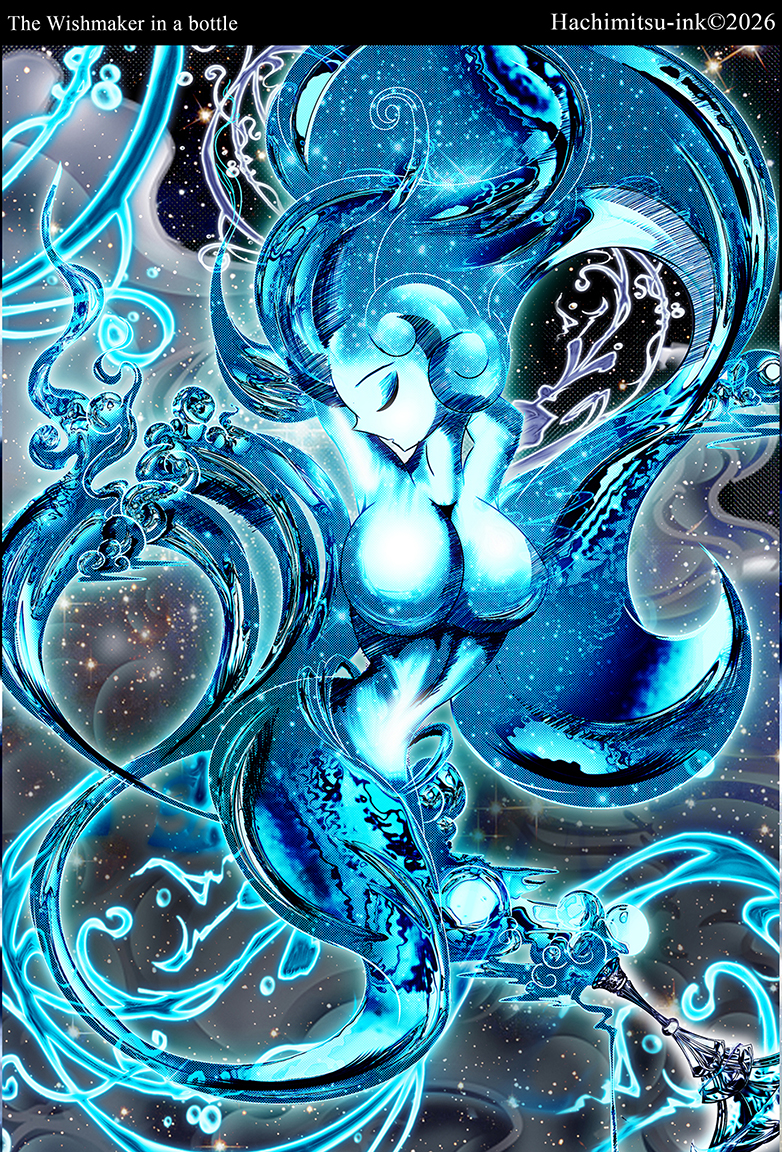
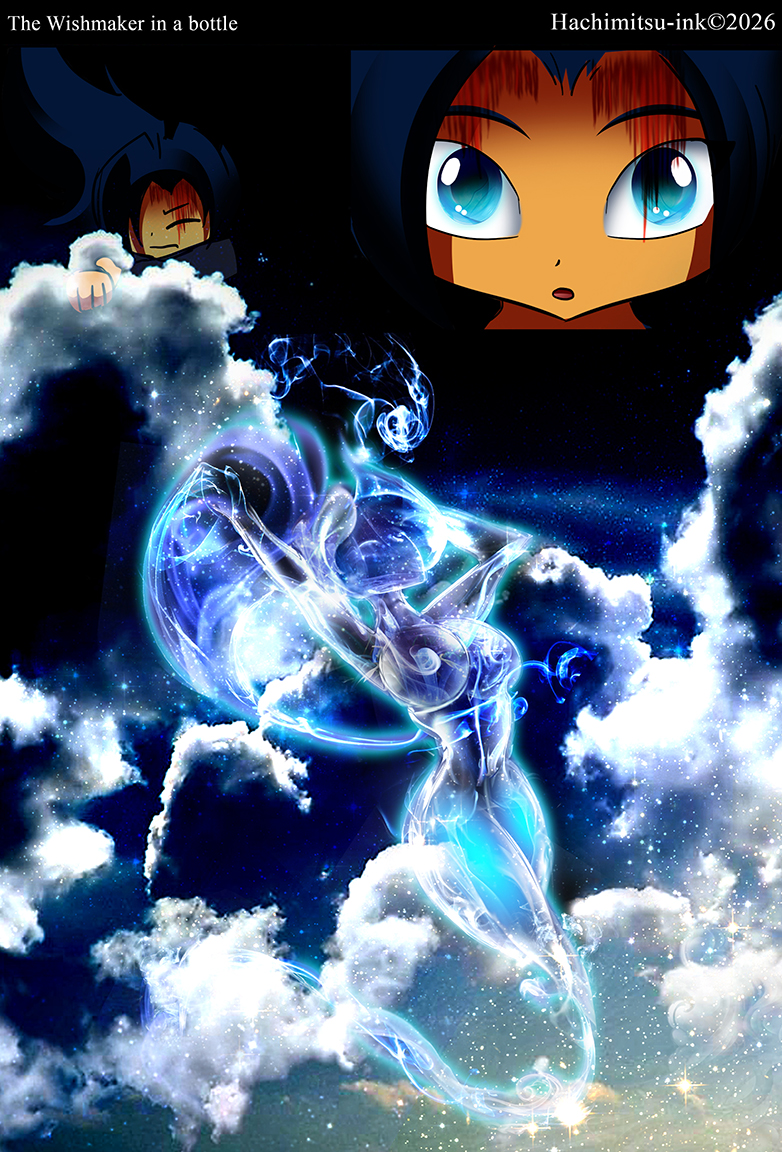
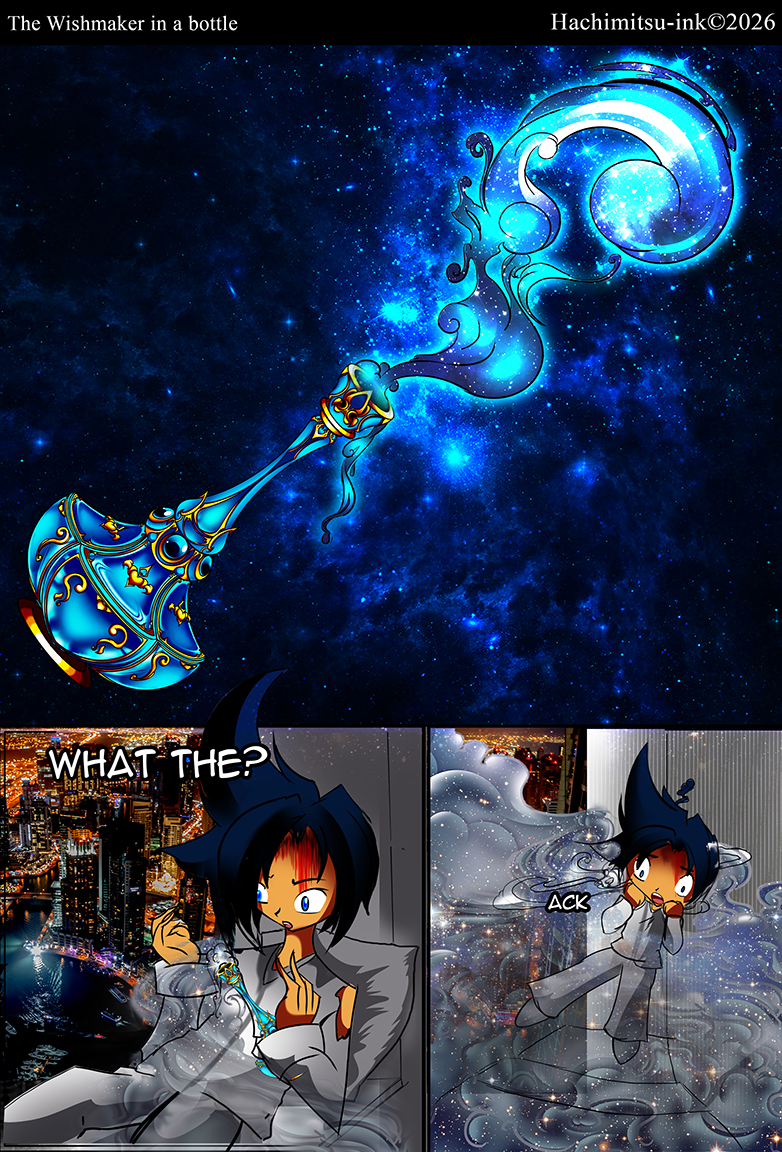
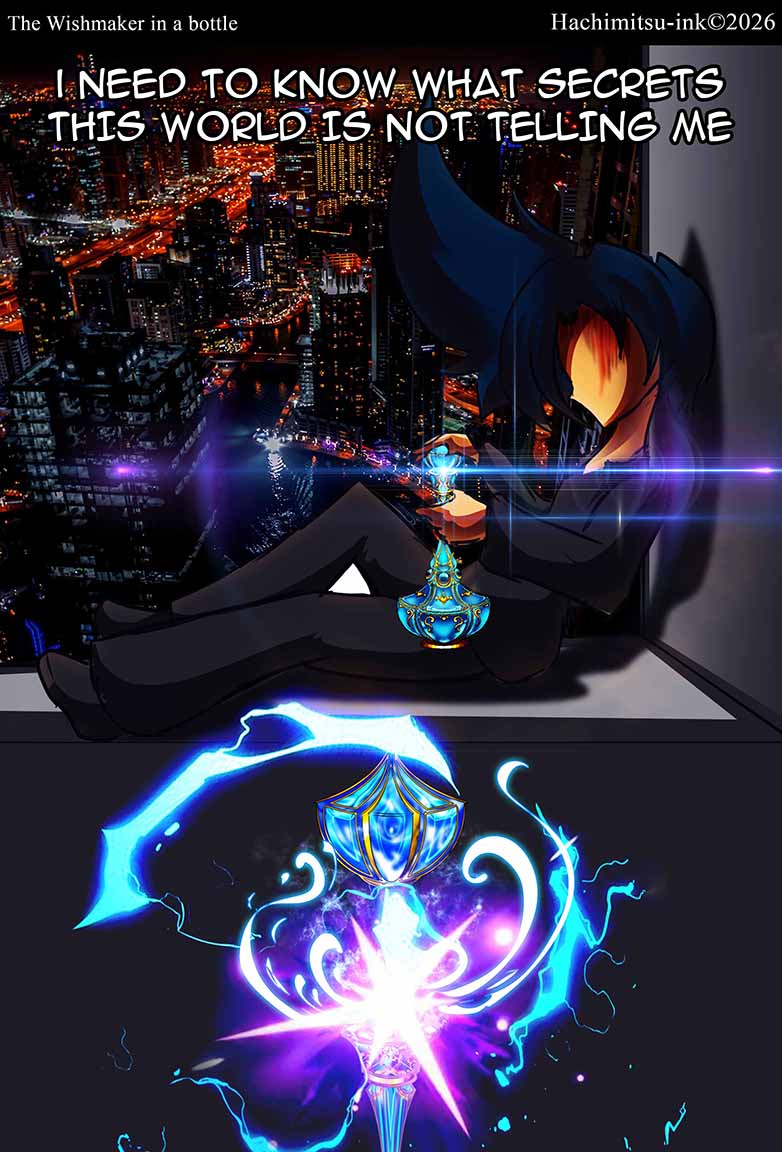
The location in this chapter is inspired by a small antique shop called Main Point. Even from afar, its interior looked beautiful — filled with lanterns, clothing, and genie lamps that felt like hidden treasures. The version shown here is fictional and exists in an alternate reality where Demitri inherits the shop after it has been shut down for many years. The real‑world shop is still open; this is simply a creative reinterpretation shaped to fit the story’s world.